Formula 1
Why Street Circuits Punish Setup Compromises
Public roads offer low grip, uneven surfaces and unforgiving barriers, which forces engineers to trade mechanical compliance against aerodynamic performance more sharply than permanent tracks do.
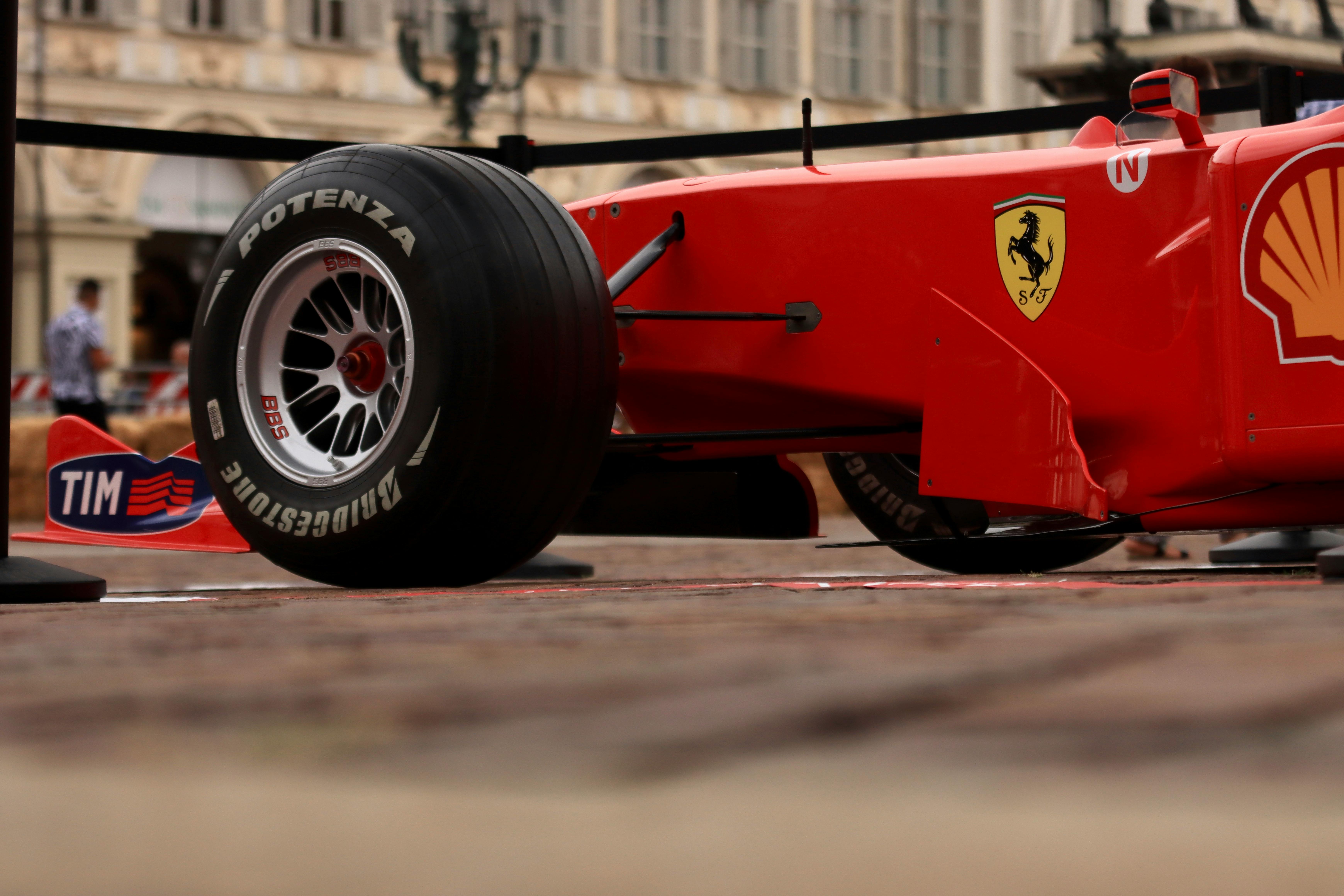
A street circuit is not simply a narrow permanent track. The surface, the camber and the proximity of the barriers change what a car setup must achieve, and the compromises are sharper.
Road surfaces are built for other purposes
Public roads are laid for durability and drainage rather than grip, and they carry camber, drain covers and joins that a purpose-built circuit does not.
Grip is consequently low at the start of a weekend and improves substantially as rubber accumulates, which means the track changes between every session.
Engineers must therefore set the car up for conditions that will not exist by qualifying, and predicting the rate of improvement is a large part of the exercise.
Ride height becomes the central conflict
Aerodynamic performance improves as the car runs closer to the ground, but an uneven surface means a low car strikes the road over bumps and kerbs.
Raising the car protects it and improves compliance, at the cost of downforce that the slow corners of a street track already limit.
The resulting setup is a compromise neither optimised for grip nor for aerodynamics, and small errors in the choice are heavily punished over a lap.
Barriers remove the margin for error
A permanent circuit provides run-off, so a driver exceeding the limit usually loses time. On a street track the same error ends the session.
Drivers therefore approach the limit progressively across practice, and the confidence to use the last fraction of the track is built rather than assumed.
The absence of run-off also means debris from a single incident interrupts the session for everyone, which compresses the running time available.
Traffic management dominates qualifying
Narrow circuits with limited passing make finding clear space on a flying lap genuinely difficult, and a compromised lap cannot easily be repeated.
Teams plan release times from the pit lane to create gaps, which produces the queues seen at the end of the pit lane before a session's final runs.
Because overtaking during the race is so limited, the qualifying position carries more weight here than at almost any other type of venue.
Race strategy narrows accordingly
With passing difficult, teams place greater weight on track position and less on tyre performance, which pushes toward the minimum number of stops.
Safety car probability is high on street circuits, so strategies are built to exploit an interruption that is likely rather than possible.
The combination produces races decided by a single decision made under a neutralisation, which is why these events frequently deliver unexpected results.


