Olympics
Why Host Cities Struggle With Venues Afterwards
Games require specialised facilities sized for a fortnight of peak demand, and many of those sports have no ongoing domestic audience to sustain the buildings afterwards.
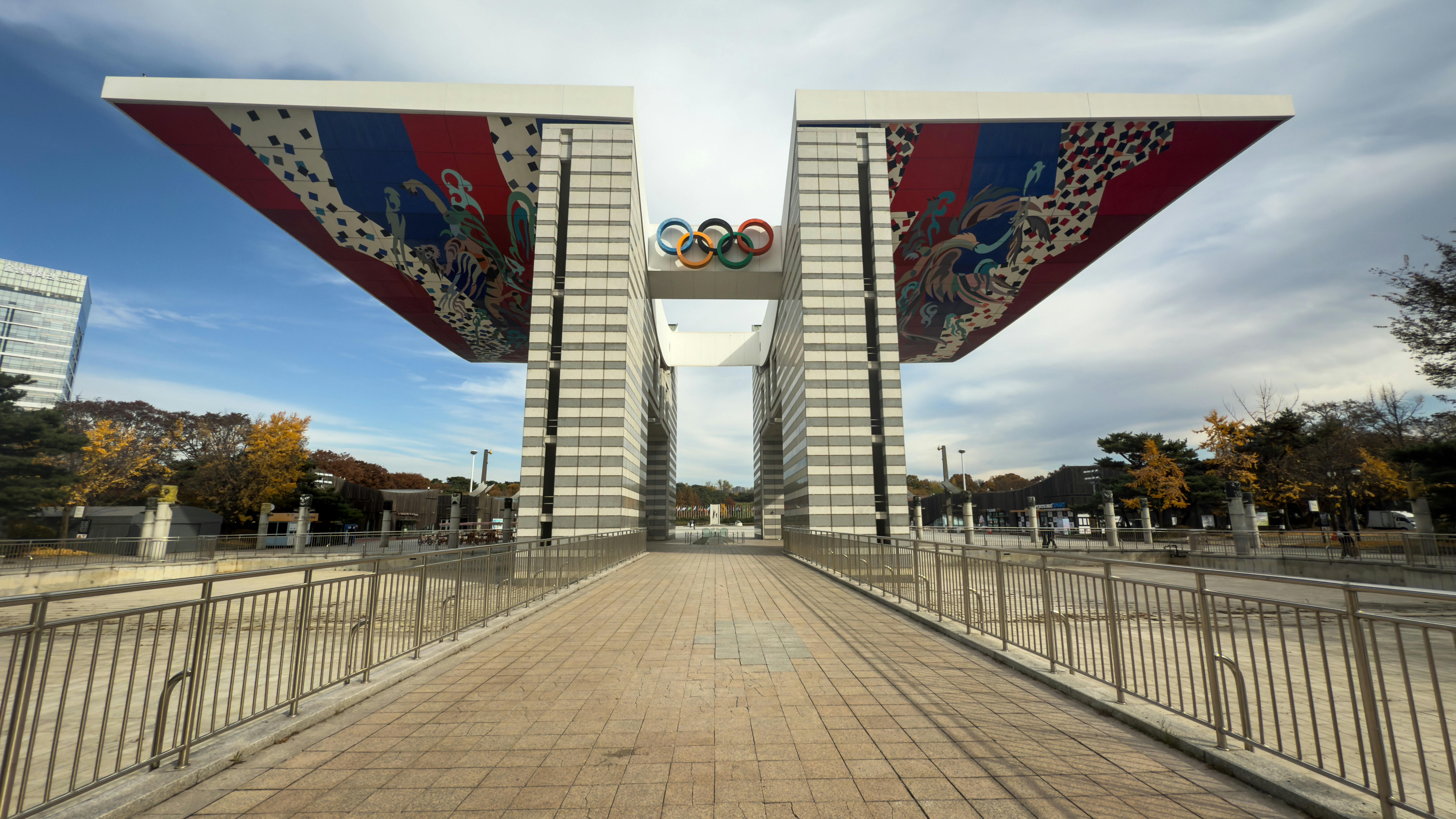
Olympic venues frequently fall into disuse within a few years of the closing ceremony. The pattern is consistent enough to be structural rather than a series of local failures.
The requirement is peak capacity for a fortnight
A host must provide facilities for every sport on the programme, sized for the spectator demand of a global event rather than for local participation.
Several of those sports have small domestic followings in most countries, so the ordinary demand for the facility is a fraction of what was built.
The mismatch is largest for specialised venues such as velodromes, sliding tracks and aquatic centres, which are expensive to run and difficult to repurpose.
Operating costs continue whether or not the venue is used
Maintenance, security and utilities are largely fixed, and facilities requiring refrigeration or water treatment carry high running costs even when empty.
A venue without an anchor tenant therefore generates a continuing liability for whichever public body inherits it.
Demolition also costs money, which is why disused venues often remain standing in a deteriorating state rather than being cleared.
Temporary and existing venues avoid the problem
Recent hosts have used existing stadiums, exhibition halls and temporary structures for a growing share of the programme.
Temporary seating and modular buildings can be removed afterwards, leaving the site available for other purposes and avoiding the permanent cost entirely.
Governing bodies now encourage this explicitly, and bid evaluations weight the proportion of existing and temporary venues in a proposal.
Legacy planning has to precede construction
Venues that succeed afterwards are generally those designed from the outset for a defined post-Games use, with the Olympic configuration treated as the temporary state.
That means deciding the future tenant before construction, which requires a commitment that is difficult to secure years in advance.
Where the decision is deferred until after the Games, the building has already been optimised for a use that has ended.
The wider infrastructure is the more durable legacy
Transport links, housing and utility upgrades built for a Games tend to outlast the venues, because they serve demand that existed independently.
Athlete villages converted to housing are the clearest example, since the conversion is planned from the beginning and the demand is genuine.
This has shifted how hosting is justified, with bids now framed around urban development that a Games accelerates rather than around the sporting facilities themselves.


