Basketball
How Zone Defenses Returned To The Professional Game
Rule changes removing the prohibition on zone defense, combined with restrictions on how long a defender may remain near the basket, produced hybrid schemes rather than pure zones.
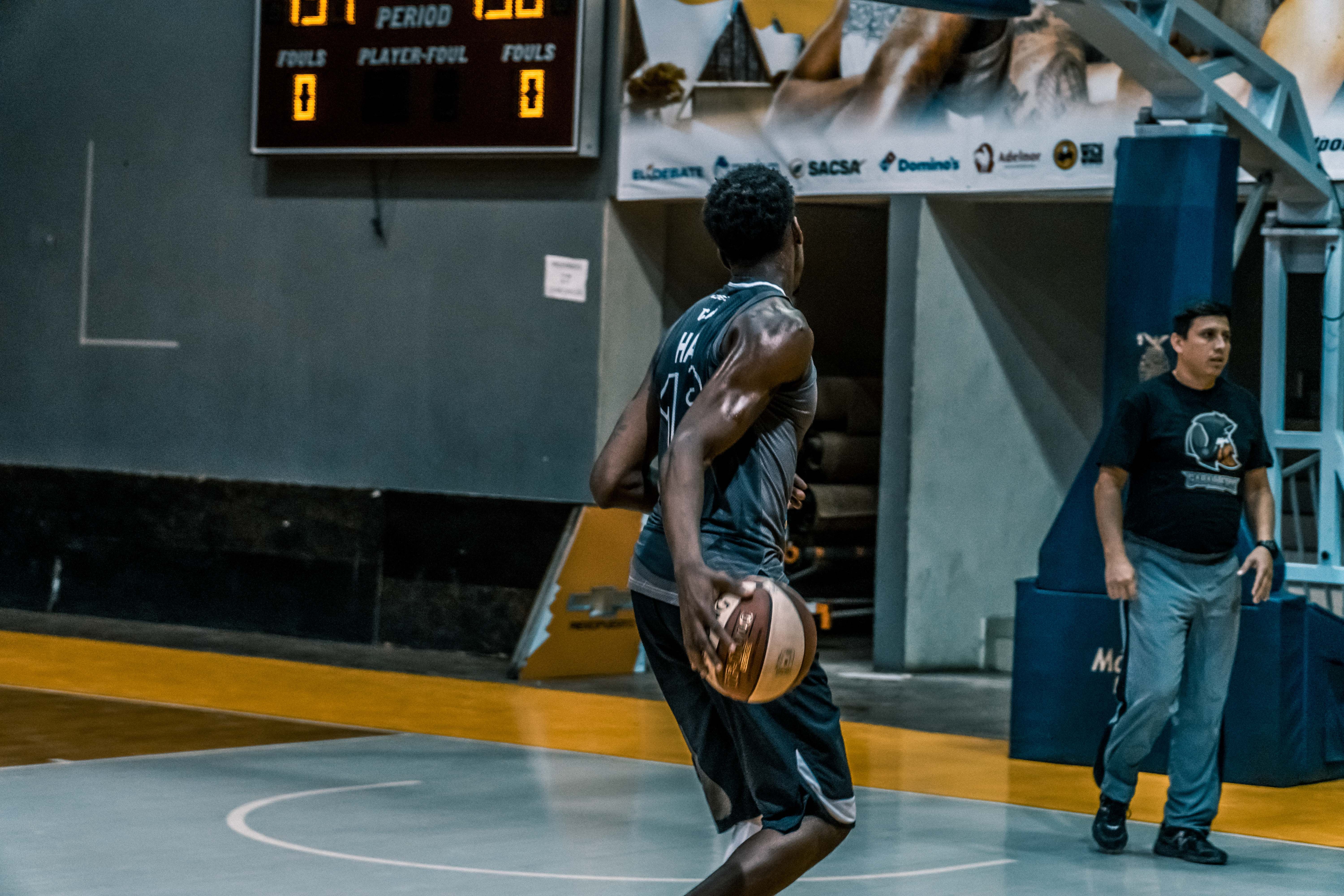
Professional basketball once banned zone defense outright. Its return reshaped defensive design, though what teams actually play is neither the old man-to-man nor a traditional zone.
The prohibition existed to protect spacing
Requiring each defender to guard an assigned opponent prevented teams from packing the area near the basket, which kept driving lanes available.
Enforcement was awkward, since judging whether a defender was guarding a player or a space required a subjective call in live play.
The rule also constrained coaching, ruling out schemes that were standard at every other level of the game.
The defensive three-second rule replaced it
When zone defense was permitted, a new restriction limited how long a defender may remain in the painted area without actively guarding an opponent.
This preserves the original purpose, keeping the area near the basket from being permanently occupied, while allowing teams to organise defenders by area.
The result is that a pure zone with a fixed player parked under the basket remains impossible, and any zone must rotate continuously.
Hybrid schemes proved more useful than pure zones
Teams rarely play a conventional zone for long stretches, because skilled shooters punish the gaps a static structure leaves.
Instead, defenses apply zone principles situationally, matching up initially and then switching to area responsibility once the ball moves.
Switching everything is the most visible product of this, since it treats defensive assignment as a function of position on the floor rather than of a pre-match pairing.
Zone appears as a disruptive change of pace
A brief zone shown after a timeout forces the offense to abandon its called action and reorganise, which often costs several seconds of the shot clock.
Because it is unexpected, the value comes from the disruption rather than from the coverage itself, and the effect diminishes if used repeatedly.
Teams therefore deploy it in short bursts, frequently to break an opponent's scoring run or to protect a defender in foul trouble.
Personnel determines what is possible
Zone principles require length and communication more than individual quickness, since responsibility passes between defenders as the ball moves.
Rosters built around versatile defenders of similar size can switch and rotate freely, which is why teams increasingly value that profile over specialists.
Where a roster contains a mismatch that opponents can attack repeatedly, area-based coverage is one of the few ways to hide it without removing the player.


