Athletics
How Wind Readings Invalidate Sprint Records
A tailwind above a defined threshold makes a sprint or horizontal jump ineligible for records, because the assistance is large enough to change the result meaningfully.
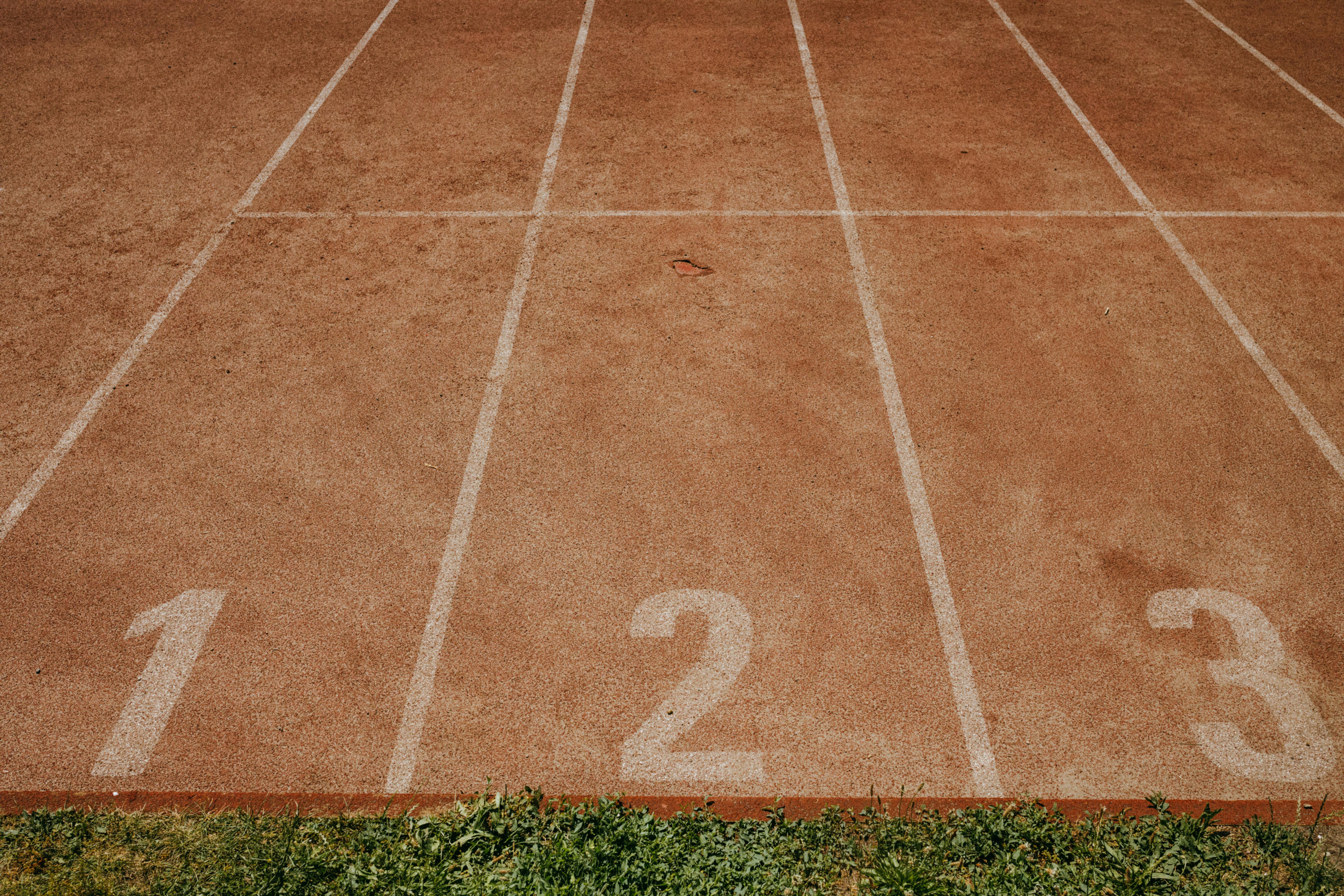
A sprinter can run the fastest time of their life and see it excluded from the record books. The reason is a wind gauge reading, and the threshold it applies is not arbitrary.
Tailwind reduces the air resistance a sprinter overcomes
At sprint speeds a substantial share of a runner's effort goes into pushing through air. A following wind reduces the relative airspeed and therefore the drag.
The benefit grows with wind speed and is large enough that a moderate tailwind can shift a time by more than the margins that separate leading athletes.
Headwinds work in reverse, and the penalty is generally larger than the equivalent tailwind benefit, because drag rises with the square of relative velocity.
The threshold is a legal limit, not a physical one
Records require the measured wind to be at or below a defined following speed. Above that, the performance stands as a result but not as a record.
The limit was set as a compromise between excluding genuinely assisted marks and voiding an unworkable proportion of races run in ordinary conditions.
It applies to sprints up to a certain distance and to the horizontal jumps, where approach speed contributes directly to the distance achieved.
Measurement has its own specification
The gauge is positioned beside the track at a defined height and distance from the finish, and it records for a set period beginning at a defined point in the race.
For longer sprints run around a bend, wind direction changes relative to the athlete throughout, which is why the wind limit does not apply beyond a certain distance.
Stadium architecture affects readings considerably, since gaps in the stands channel air and can produce gusts that the gauge captures and the athlete does not experience.
Altitude assistance is treated differently
Thinner air at high elevation reduces drag in the same way a tailwind does, and the effect on sprint times is comparable in magnitude.
No altitude limit applies to records, so marks set at elevation remain eligible even though the assistance is real and consistent.
The inconsistency is acknowledged, and results from high-altitude venues are often annotated, but the rules treat the two forms of assistance separately.
Athletes and organisers respond to the rule
Meeting organisers schedule sprint finals for periods when conditions are typically calmest, usually early evening when thermal winds have subsided.
Athletes chasing marks will occasionally choose meetings on the basis of a stadium's known wind behaviour rather than the strength of the field.
The rule also shapes how results are read, since a wind figure printed beside a time is essential context rather than a technical footnote.


