Formula 1
How Cost Caps Changed Team Development Cycles
A spending limit forces teams to choose between upgrading the current car and developing next year's, which turned development into an explicit allocation problem.
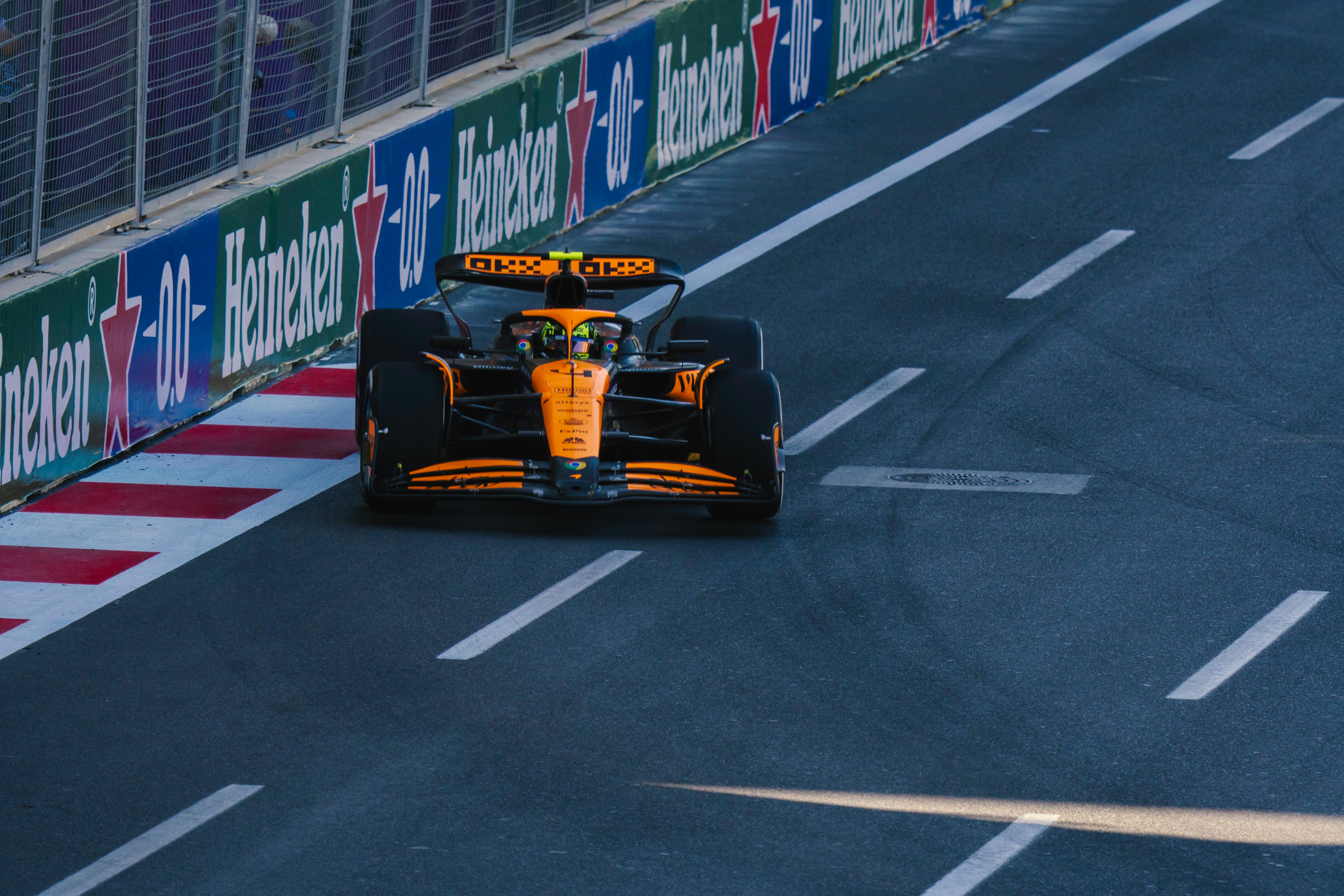
Limiting how much a team may spend altered the sport's competitive structure more than any technical regulation. The change is that resources became a constraint rather than a differentiator.
Unlimited spending produced a stable hierarchy
Before the cap, the largest teams could develop continuously through a season while smaller ones exhausted their budgets by mid-year.
That produced a predictable pattern where the gap widened as the season progressed, since only some teams could afford to keep improving.
The cap compresses this by giving every team the same ceiling, though existing infrastructure and staff experience remain outside its reach.
Development became an allocation decision
With a fixed budget, money spent on the current car cannot be spent on the next one, and the trade-off is now explicit rather than theoretical.
A team out of contention typically stops developing early and redirects everything toward the following season, accepting worse results in the meantime.
A team fighting for a championship faces the opposite pressure, and may sacrifice the next year's competitiveness to win the current one.
Damage carries a competitive cost
Repairs consume budget, so a heavy accident removes money that would otherwise have funded upgrades, and the effect persists for months.
This changed how teams weigh risk, particularly in practice sessions and in marginal on-track situations where the sporting gain is small.
Certain categories of cost sit outside the cap, and where the boundary falls has become a significant point of regulatory detail.
Wind tunnel time is rationed by performance
Aerodynamic testing is limited separately, with the allowance distributed in inverse proportion to championship position.
The leading team therefore receives the least testing time, and a team recovering from a poor season starts the next with an advantage in development capacity.
Combined with the cap, this produces a mechanism that actively pushes toward convergence rather than merely preventing divergence.
Simulation absorbed the displaced effort
With physical testing limited and budgets fixed, computational modelling became the efficient place to spend, since it scales without proportional cost.
Correlation between simulation and track behaviour is now among the most valuable assets a team holds, because a model that misleads wastes irreplaceable development capacity.
Teams that lose that correlation struggle to recover within a season, since the budget spent chasing an inaccurate model cannot be spent again.


